
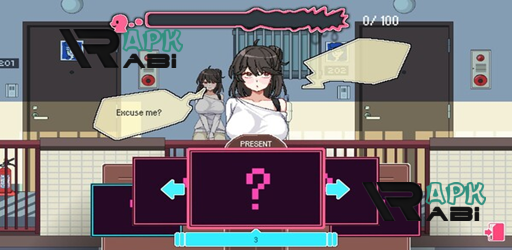

The Censor
APK 2.0.6 Mobile & GameLet's build community together and explore the coolest world of APK Games/Apps.
Explore The Censor APK, a narrative-driven simulation game set in a dystopian world of memory control and surveillance. Uncover its deep gameplay, characters.
Information
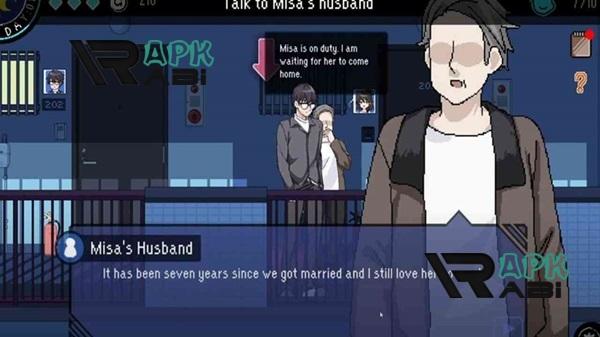
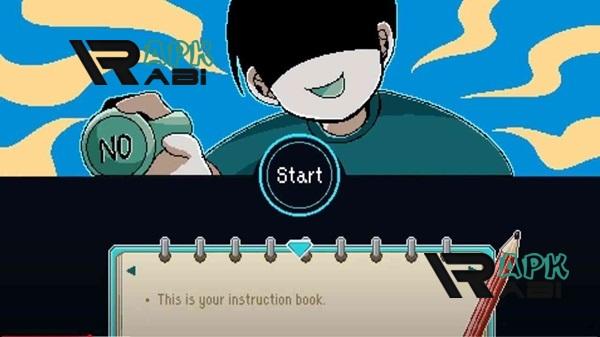
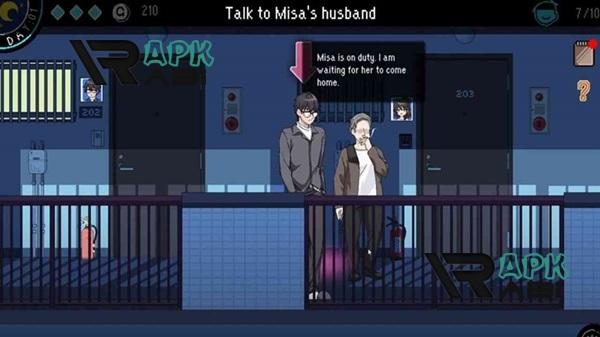
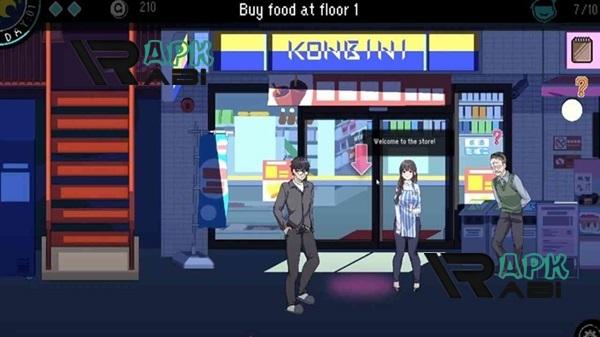
The Censor APK: A Deep Dive into the Game That Breaks Boundaries
Introduction
The Censor APK is a bold and unconventional title that enters the realm of adult-themed, narrative-driven simulation games. Designed for mature audiences, it combines visual novel mechanics, psychological themes, and boundary-pushing content to create a unique, often provocative, gaming experience. Set in a dystopian, surveillance-heavy world, players assume the role of a government "Censor" who reviews and manipulates the memories and thoughts of citizens—raising moral questions, psychological tension, and complex decisions.
Unlike traditional adult games that rely on shock or explicit content as their main draw, The Censor stands out by blending art, storytelling, and introspective dilemmas. The game's content is layered, its mechanics intricate, and its message often subtle—making it a subject of intrigue and controversy in equal measure.
In this article, we’ll explore the game in exhaustive detail: its narrative depth, gameplay systems, character design, worldbuilding, psychological themes, and its place within both gaming culture and society.
The Setting: A Dystopian Memory-Policing World
The Censor APK places you in an unnamed, authoritarian regime where individual thought is regulated. As a "Censor," you work in a government department that scans the subconscious minds of citizens, identifying and "redacting" dangerous or subversive memories and desires. The world is bleak, stylized in grays and muted tones, often juxtaposed with bursts of color to highlight emotional impact.
Advertisement
The setting draws inspiration from Orwellian surveillance states but brings a sci-fi twist to the table. Advanced neuro-interfacing allows agents to explore people's inner thoughts, creating a mix of visual dreamscapes and digital networks. The game successfully crafts a surreal, immersive universe where players must question the ethical cost of their actions.
Core Gameplay Mechanics
At its heart, The Censor is a simulation and visual novel hybrid with branching narratives, decision-based gameplay, and puzzle elements.
1. Memory Scanning
The primary gameplay mechanic involves entering a simulated space that represents a subject’s mind. These dreamscapes are both metaphorical and literal—each citizen’s memory has to be carefully reviewed and redacted where necessary.
Players interact with objects, unlock hidden thoughts, and identify "inappropriate" or "dangerous" ideas. Each decision affects not just the individual but also the storyline, morality stats, and your character’s mental stability.
2. Redaction Tools
The Censor provides players with tools for manipulating memories:
-
Memory Pruning: Erase certain thoughts entirely.
-
Memory Alteration: Replace or modify scenes.
-
Emotional Dampening: Remove the emotional weight of a memory.
-
AI Override: Let the system auto-censor, but at the cost of increasing detachment and risk.
Players are scored based on how accurate and efficient their redactions are—but there’s always a question looming: are you serving justice or simply enabling control?
3. Relationship Management
Outside the core missions, players interact with coworkers, supervisors, and even citizens affected by their decisions. Choices affect how people perceive you, unlock different endings, and impact your character’s psychology.
There is also a romance sub-system, but it’s deeply entwined with the narrative. Relationships in The Censor are rarely “happy” or ideal; they’re affected by surveillance, trust issues, and emotional manipulation.
4. Psychological Decline Meter
Every decision in the game has a psychological impact. The more you suppress others’ memories, the more your own mental health begins to waver. This is represented by a meter that slowly shifts the world into hallucinations, audio distortions, and alternative realities.
This mechanic isn’t just cosmetic—it actively changes mission difficulty, dialog options, and ultimately, the available endings.
Characters: Layers Beneath the Surface
The Censor's cast is a complex ensemble of individuals representing various facets of this dystopian society. From loyal comrades to rebellious artists, their stories intertwine with your choices.
1. The Protagonist (You)
Unnamed, gender-neutral, and highly customizable, the protagonist is a blank slate in terms of morality. The game emphasizes internal transformation over time, based on how players handle memory censorship and emotional bonds.
2. Lia – The Conflicted Agent
A fellow Censor, Lia is idealistic and loyal but often questions the morality of their work. Her story arc revolves around her growing distrust in the system, and depending on choices, she can become either an ally or a whistleblower.
3. Dr. Havel – The Architect of the Memory System
One of the most intellectually complex characters, Dr. Havel designed the core neural framework that enables censorship. He's cold, brilliant, and disturbingly rational—believing that emotional control is key to social harmony.
4. Mira – The Artist
One of the citizens you’re assigned to monitor, Mira’s mindscapes are among the most vivid and emotionally challenging in the game. She represents resistance through art, and depending on how you censor or preserve her memories, she may become a symbol of rebellion.
Themes and Symbolism
What elevates The Censor beyond a typical simulation game is its rich tapestry of themes:
1. Memory as Identity
The game repeatedly poses the question: “What are we, without our memories?” By tampering with someone’s history, do we strip them of their personhood?
Advertisement
2. Surveillance and Control
It’s a direct critique of authoritarianism and digital-age privacy concerns. Every memory reviewed feels invasive, raising discomfort about the player’s role in this system.
3. Emotional Suppression
The act of dampening emotion to create societal harmony brings out psychological horror elements. It suggests that removing pain also removes the capacity for love, growth, and resilience.
4. Choice vs. Consequence
Every action in The Censor is a fork in the road. Minor decisions early in the game can lead to radically different endings, some uplifting, others tragic. There is no clear "right" or "wrong"—only degrees of ethical complexity.
Art Style and Audio Design
The visual design of The Censor is a defining feature. It uses a stylized 2.5D aesthetic, with high-contrast lighting and color filters to represent different emotional states. Memory spaces are abstract and dreamlike, full of visual metaphors: shattered mirrors for trauma, fog for repression, and cascading waterfalls for grief.
The audio complements this perfectly. The soundtrack is moody, minimalist, and reactive—changing based on your mental state. At higher psychological decline, music becomes dissonant, with whispering voices and static replacing soothing harmonies.
Voice acting is sparse but effective, often used to highlight key emotional moments rather than dominate dialog.
Replayability and Endings
The Censor APK boasts high replay value due to its branching narratives. There are over a dozen significant endings, categorized loosely as:
-
Utopian Compliance: Complete societal control at the cost of individuality.
-
Emotional Liberation: Abandon the system and accept psychological chaos.
-
Neutral Bureaucracy: Maintain the system but attempt to reform it from within.
-
Anarchic Collapse: Inspire rebellion, leading to unpredictable consequences.
-
Psychological Breakdown: Lose grip on reality due to moral fatigue and mental decay.
Each ending is satisfying in its own right, providing closure or continuation depending on the player’s journey.
Critical Reception and Controversy
Because of its adult themes, invasive narrative structure, and morally ambiguous gameplay, The Censor APK has drawn both praise and criticism.
Critics have lauded the game’s bravery in tackling difficult subject matter. It’s often compared to titles like Papers, Please or Orwell: Ignorance is Strength, but with a more emotional, internalized twist.
However, some have raised concerns about the depiction of mental health, emotional trauma, and the potential for player discomfort. The game intentionally blurs the line between simulation and psychological horror, which may not be suitable for all audiences.
Despite—or perhaps because of—these debates, The Censor has carved a unique niche in the gaming world. It’s less about “fun” and more about engagement, reflection, and storytelling.
The Censor’s Place in Modern Gaming
The Censor represents a growing trend in indie and adult gaming: the emergence of complex, ethically ambiguous experiences that demand thought rather than mindless interaction. It challenges the player’s comfort zone, not through difficulty, but through emotional weight.
In a time where data privacy, emotional regulation, and surveillance capitalism are increasingly real-world issues, a game like The Censor feels eerily relevant. Its dystopia is not just speculative—it mirrors many of our current fears, exaggerated through a sci-fi lens.
Final Thoughts
The Censor APK is not your average mobile or indie game. It dares to provoke, unsettle, and question. It doesn't offer heroes or villains, only individuals navigating an oppressive system through their own moral compass. Its mechanics—though simple at surface level—are embedded with philosophical and emotional depth that resonates far beyond the screen.
For players looking for a game that challenges the intellect as much as the reflexes, that invites introspection rather than distraction, The Censor is an experience worth engaging.
It’s not for everyone—but perhaps that’s exactly the point.
Let's build community together and explore the coolest world of APK Games/Apps.






1. This is the safest site on the Internet to download APK. 2. Don't ask about the Play Protect warning, we've explained it well, check here. 3. Do not spam, be polite and careful with your words.